


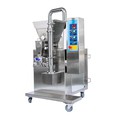
As a proud supplier of the RM35 stick ice cream machine, I'm often inundated with various queries from potential clients and dessert enthusiasts alike. One question that has piqued my interest recently is, "Can the RM35 stick ice cream machine make ice cream with lemon juice?" In this blog post, I'll delve into the technical aspects of the RM35 machine and provide a comprehensive answer to this intriguing question.
Understanding the RM35 Stick Ice Cream Machine
Before we discuss the feasibility of making lemon - juice ice cream, let's first understand the capabilities of the RM35 Stick Ice Cream Machine. This state - of - the - art equipment is designed for high - quality ice cream and popsicle production. It features advanced refrigeration technology, a precise temperature control system, and a user - friendly interface, making it suitable for both small - scale food businesses and large - scale industrial production.
The RM35 machine is equipped with a powerful compressor that can quickly lower the temperature of the ice cream mixture. It also has a well - engineered mixing system that ensures the ingredients are evenly blended, resulting in a smooth and consistent texture. Additionally, it can handle a variety of ingredients, including milk, cream, sugar, fruits, and flavorings.
The Science of Ice Cream Making with Lemon Juice
Ice cream is a complex colloid, composed of ice crystals, air bubbles, fat globules, and a liquid phase. Lemon juice brings a unique set of chemical and physical properties to the table.
Chemically, lemon juice is acidic, with a pH typically ranging from 2 to 3. This acidity can impact the proteins in milk and cream. Casein, the main protein in milk, starts to coagulate at low pH values. When the pH drops to around 4.6, casein coagulates, and the milk can curdle. Therefore, if too much lemon juice is added directly to a milk - based ice cream mixture, it may cause the milk to curdle, resulting in an unappetizing texture.
However, if managed properly, lemon juice can be a great addition to ice cream. Its acidity adds a refreshing tang, and it also contains natural flavors and antioxidants. The key is to balance the amount of lemon juice and use appropriate techniques to prevent curdling.
Using the RM35 Machine to Make Lemon - Juice Ice Cream
The RM35 machine is well - suited for making lemon - juice ice cream, provided that the following steps are taken:
1. Prepare the Base
Start by making a traditional ice cream base. Combine milk, cream, and sugar in a saucepan and heat it gently over medium - low heat, stirring constantly until the sugar is dissolved. Do not let the mixture boil. This step is crucial as it helps to dissolve the sugar and pasteurize the milk and cream.
2. Temper the Lemon Juice
To prevent curdling, it's important to temper the lemon juice. First, take a small amount of the warm ice cream base and slowly whisk it into the lemon juice. This gradually raises the temperature of the lemon juice and dilutes its acidity. Then, slowly pour the lemon - juice mixture back into the main ice cream base, whisking constantly.
3. Add Other Ingredients (Optional)
You can enhance the flavor of the lemon - juice ice cream by adding other ingredients such as lemon zest, vanilla extract, or a small amount of honey. These ingredients will add depth and complexity to the flavor.
4. Chilling and Processing
Once the lemon - juice ice cream mixture is well - blended, let it cool to room temperature. Then, refrigerate it for at least 2 - 4 hours to ensure it is cold before processing. Pour the chilled mixture into the RM35 Stick Ice Cream Popsicle Making Machine. The machine will start the freezing and mixing process. After a certain period, which is usually indicated by the machine's timer, the lemon - juice ice cream will be ready.
5. Molding and Packaging
If you want to make stick ice creams, insert the sticks into the freshly made lemon - juice ice cream in the molds. Let the ice cream freeze solid in the molds. Once frozen, you can package them for sale or storage.
Benefits of Using Lemon Juice in Ice Cream
There are several benefits to using lemon juice in ice cream made with the RM35 machine:
Refreshing Flavor
Lemon juice provides a bright, tangy flavor that is perfect for summer or anytime you crave a refreshing treat. It adds a unique twist to traditional ice cream flavors.
Nutritional Value
Lemons are rich in vitamin C, an antioxidant that helps boost the immune system. By adding lemon juice to ice cream, you're not only creating a delicious dessert but also adding a small amount of nutritional value.

Longer Shelf - Life
The acidity in lemon juice can act as a natural preservative, helping to extend the shelf - life of the ice cream. This is particularly beneficial for businesses that need to store and sell their products over a longer period.
Production on a Larger Scale
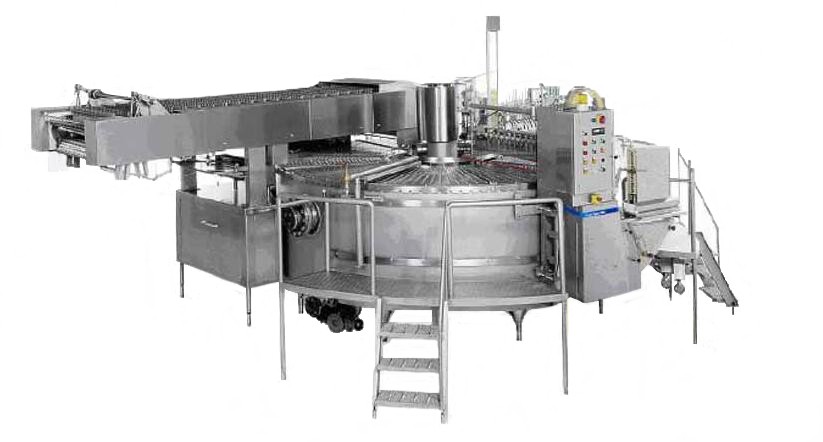
If you're considering large - scale production of lemon - juice stick ice cream, the RM35 Ice Lolly Popsicle Production Line is an ideal choice. This production line is capable of high - volume production, ensuring efficiency and consistency. It includes all the necessary equipment for making, molding, and packaging ice lollies, making it a one - stop solution for your ice cream production needs.
Conclusion and Call to Action
In conclusion, the RM35 stick ice cream machine is fully capable of making ice cream with lemon juice. By following the proper techniques and steps, you can create delicious, refreshing lemon - juice stick ice creams that are sure to be a hit with customers.
Whether you're a small - scale food vendor looking to expand your menu or a large - scale industrial producer aiming to diversify your product range, our RM35 series of machines can meet your needs. If you're interested in purchasing the RM35 stick ice cream machine or the RM35 production line, please feel free to contact us for a detailed quotation and further discussion. We're committed to providing you with high - quality products and excellent customer service.
References
- "The Science of Ice Cream" by Ryan Matthew Smith. This book provides in - depth knowledge about the chemistry and physics behind ice cream making.
- Professional dairy and frozen dessert industry magazines, which often publish articles on new ingredients and techniques in ice cream production.