




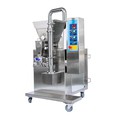
Hey there! I'm a supplier of the RM35 ice cream production line, and I'm super stoked to chat with you about how to ensure the food safety of the ice cream produced by this amazing piece of equipment.
First off, let's talk about the machine itself. The RM35 is no ordinary ice cream maker. It's a beast in the industry, designed to crank out high - quality ice cream efficiently. You can check out more details about it on these links: RM35 Industrial Popsicle Making Machine, RM35 Industrial Popsicle Making Machine, and RM35 Stick Ice Cream Popsicle Making Machine.
Raw Material Selection
The foundation of safe ice cream starts with the raw materials. You gotta be super picky about what goes into that mix. When it comes to dairy products, make sure they're fresh and have been properly pasteurized. Raw milk can contain all sorts of nasties like bacteria (think E. coli, Salmonella, and Listeria), so always go for the pasteurized stuff.
Fruits and nuts are great for adding flavor and texture, but they need to be washed thoroughly. Fruits can carry pesticides and dirt, and nuts can sometimes be contaminated with mold. Before using them in the RM35 production line, give them a good rinse and maybe even a quick inspection for any signs of spoilage.
Sugars and sweeteners should also be of high quality. Low - grade sugars might have impurities that can affect the taste and safety of the ice cream. Always source from reliable suppliers who can provide quality certificates.
Sanitation of the RM35 Production Line
The RM35 ice cream production line needs to be as clean as a whistle. After each batch, it's crucial to give the machine a proper cleaning. Start by disassembling all the parts that come into contact with the ice cream mix, like the mixing bowls, nozzles, and pipes.
Use a food - grade detergent to scrub away any residue. Make sure to follow the manufacturer's instructions on how to clean each part, as different materials might require different cleaning methods. After scrubbing, rinse everything thoroughly with clean water to remove any traces of detergent.
Regularly sanitize the equipment using a suitable sanitizer. This helps to kill any remaining bacteria and viruses. There are lots of food - safe sanitizers on the market, so choose one that's recommended for ice cream production equipment.
It's also a good idea to have a maintenance schedule for the RM35. Check for any signs of wear and tear on the parts, and replace them as needed. A worn - out part could harbor bacteria or contaminate the ice cream.
Temperature Control
Temperature is key in ice cream production. During the mixing and freezing process, the RM35 needs to maintain the right temperatures to keep the ice cream safe.
When mixing the ingredients, keep the temperature low to prevent the growth of bacteria. The colder the mix, the less likely it is for bacteria to multiply. Once the mix is ready, it's time to freeze it. The RM35 should be able to freeze the ice cream quickly to form small ice crystals, which not only gives the ice cream a smooth texture but also helps to preserve its safety.
During storage, keep the ice cream at a constant low temperature. Most ice cream should be stored at around - 18°C (- 0.4°F) or lower. Any fluctuations in temperature can cause the ice cream to thaw and refreeze, which can lead to the growth of bacteria and a change in texture.
Employee Hygiene
Your employees are an important part of the food safety equation. They need to follow strict hygiene practices. First of all, they should wear clean uniforms, hairnets, and gloves. This helps to prevent hair, skin flakes, and other contaminants from getting into the ice cream.
Employees should wash their hands thoroughly before handling the ice cream mix or the RM35 production line. Use warm water and soap, and scrub for at least 20 seconds. This simple step can prevent the transfer of bacteria from their hands to the ice cream.
Avoid any employees working in the production area if they're sick. Illnesses like the flu or a stomach bug can easily be passed on to the ice cream through coughing, sneezing, or handling the equipment.
Quality Control Checks
Regular quality control checks are a must. Take samples of the ice cream at different stages of production and test them for things like bacterial counts, pH levels, and texture.

There are lots of testing kits available that can quickly and accurately measure these parameters. If the test results show any signs of contamination or an abnormal pH level, stop the production immediately and investigate the cause.
Keep records of all the quality control checks. This helps you to track the safety of the ice cream over time and identify any trends or issues that might need to be addressed.
Packaging
The packaging of the ice cream is also important for food safety. Use high - quality, food - grade packaging materials. These materials should be able to protect the ice cream from light, air, and moisture, which can all affect its quality and safety.
Make sure the packaging is sealed properly. A loose or damaged seal can allow bacteria and air to enter the ice cream, leading to spoilage.
Traceability
Implement a traceability system for the ice cream produced by the RM35. This means keeping records of where the raw materials came from, when the ice cream was produced, and where it was shipped.
In case of a food safety issue, traceability allows you to quickly identify the source of the problem and take appropriate action. You can recall the affected products and prevent them from reaching more consumers.
Conclusion
Ensuring the food safety of the ice cream produced by the RM35 ice cream production line is a multi - step process. It starts with the selection of high - quality raw materials, proper sanitation of the equipment, strict temperature control, good employee hygiene, regular quality control checks, and appropriate packaging.
By following these guidelines, you can produce safe and delicious ice cream that your customers will love. If you're interested in the RM35 ice cream production line or have any questions about food safety in ice cream production, don't hesitate to reach out and start a procurement discussion. We're here to help you make the best ice cream possible.
References
- "Food Safety in Ice Cream Production." Journal of Dairy Science.
- "Temperature Control in Frozen Dessert Manufacturing." International Journal of Food Science and Technology.
- "Employee Hygiene Practices in Food Processing." Food Safety Magazine.