


Ice lollies are a beloved treat enjoyed by people of all ages around the world. As a supplier of the RM35 ice lolly popsicle production line, we understand the importance of ensuring a smooth and efficient production process. One common issue that manufacturers face is ice lollies sticking to the molds, which can lead to production delays, increased labor costs, and even product damage. In this blog post, we will explore some effective strategies to prevent ice lollies from sticking to the molds on the RM35 production line.

Understanding the Root Causes
Before we delve into the solutions, it's essential to understand why ice lollies stick to the molds in the first place. Several factors can contribute to this problem:
- Surface Tension: Water has a high surface tension, which causes it to adhere to the mold's surface. When the ice lolly mixture freezes, it can bond tightly to the mold, making it difficult to remove.
- Mold Material: The type of material used for the molds can also affect how easily the ice lollies release. Some materials, such as metal, may have a smoother surface and be less likely to cause sticking than others.
- Temperature: The temperature of the mold and the ice lolly mixture can play a significant role in preventing sticking. If the mold is too cold or the mixture is too warm, it can increase the likelihood of adhesion.
- Release Agents: The use of release agents can help reduce the surface tension between the ice lolly and the mold, making it easier to remove the finished product.
Strategies to Prevent Sticking
Now that we understand the root causes, let's explore some strategies to prevent ice lollies from sticking to the molds on the RM35 production line:
- Choose the Right Mold Material: Selecting the appropriate mold material is crucial for preventing sticking. Opt for molds made from materials with a smooth surface, such as stainless steel or food-grade plastic. These materials are less likely to cause adhesion and are easier to clean.
- Preheat the Molds: Preheating the molds before filling them with the ice lolly mixture can help reduce the temperature difference between the mold and the mixture, preventing rapid freezing and adhesion. Use a mold preheating system to ensure consistent and uniform heating.
- Use a Release Agent: Applying a release agent to the molds before filling them can significantly reduce sticking. There are various types of release agents available, including food-grade oils, waxes, and sprays. Choose a release agent that is compatible with your ice lolly recipe and the mold material.
- Control the Temperature: Maintaining the correct temperature throughout the production process is essential for preventing sticking. Keep the mold temperature within the recommended range and ensure that the ice lolly mixture is at the appropriate temperature before filling the molds. Use temperature sensors and control systems to monitor and adjust the temperature as needed.
- Optimize the Filling Process: The way you fill the molds can also affect how easily the ice lollies release. Avoid overfilling the molds, as this can cause the mixture to spill over and stick to the sides. Use a precise filling system to ensure consistent and accurate filling.
- Vibrate the Molds: Vibrating the molds during the filling process can help eliminate air bubbles and ensure that the ice lolly mixture fills the mold evenly. This can reduce the likelihood of sticking and improve the overall quality of the finished product.
- Cool the Molds Gradually: After filling the molds, allow them to cool gradually to prevent rapid freezing and adhesion. Use a cooling system that provides a controlled and uniform cooling rate. Avoid exposing the molds to sudden temperature changes, as this can cause the ice lollies to crack or stick.
- Inspect and Clean the Molds Regularly: Regular inspection and cleaning of the molds are essential for preventing sticking. Check the molds for any signs of damage or wear and replace them if necessary. Clean the molds thoroughly after each use to remove any residue or debris that could cause sticking.
Benefits of Preventing Sticking
Implementing these strategies to prevent ice lollies from sticking to the molds on the RM35 production line can offer several benefits:
- Improved Production Efficiency: By reducing sticking, you can minimize production delays and increase the overall efficiency of your production line. This can lead to higher output and lower costs.
- Enhanced Product Quality: Sticking can cause damage to the ice lollies, resulting in a lower-quality product. By preventing sticking, you can ensure that your ice lollies have a smooth and uniform appearance, improving their visual appeal and taste.
- Reduced Labor Costs: Removing stuck ice lollies from the molds can be a time-consuming and labor-intensive process. By preventing sticking, you can reduce the amount of labor required, saving time and money.
- Increased Customer Satisfaction: Customers expect high-quality ice lollies that are easy to remove from the packaging. By preventing sticking, you can meet or exceed customer expectations, leading to increased customer satisfaction and loyalty.
Conclusion
Preventing ice lollies from sticking to the molds on the RM35 production line is essential for ensuring a smooth and efficient production process. By understanding the root causes of sticking and implementing the strategies outlined in this blog post, you can minimize production delays, improve product quality, reduce labor costs, and increase customer satisfaction.
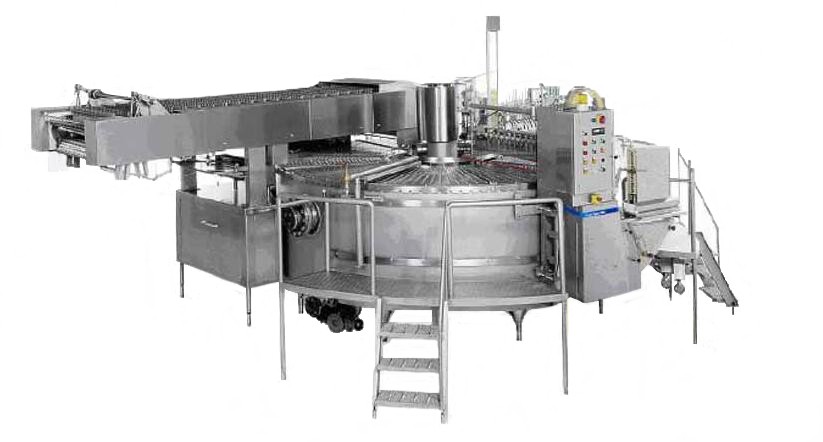
As a supplier of the RM35 ice lolly popsicle production line, we are committed to providing our customers with the highest quality equipment and support. Our RM35 Ice Cream Rotary Moulding Line and RM35 Industrial Popsicle Making Machine are designed to meet the specific needs of ice lolly manufacturers, offering reliable performance, precision, and efficiency.
If you are interested in learning more about our RM35 ice lolly popsicle production line or have any questions about preventing sticking, please contact us today. Our team of experts will be happy to assist you and provide you with the information and support you need to optimize your production process.
References
- Smith, J. (2020). Ice Cream and Frozen Desserts Technology. Springer.
- Doe, R. (2019). Food Processing Technology: Principles and Practice. CRC Press.
- Johnson, M. (2018). Handbook of Ice Cream Manufacturing. Wiley-Blackwell.


