


Hey there! As a supplier of the RM35 ice cream rotary moulding line, I've seen my fair share of electrical issues pop up. It can be a real headache when your production line starts acting up, but don't worry – I'm here to walk you through some troubleshooting steps to get things back on track.
1. Check the Power Supply
The first thing you should do when you encounter electrical problems with your RM35 ice cream rotary moulding line is to check the power supply. A lot of the time, the issue can be as simple as a loose connection or a tripped circuit breaker.
Start by making sure that all the power cords are properly plugged in. Give them a gentle tug to ensure they're secure. Next, head over to your electrical panel and check if any breakers have been tripped. If you find a tripped breaker, reset it and see if the machine powers on.
It's also a good idea to use a voltage tester to check if the power outlet is supplying the correct voltage. The RM35 line usually requires a specific voltage to operate properly, so any deviation can cause problems. If the voltage is too low or too high, you might need to consult an electrician to fix the issue.
2. Inspect the Control Panel
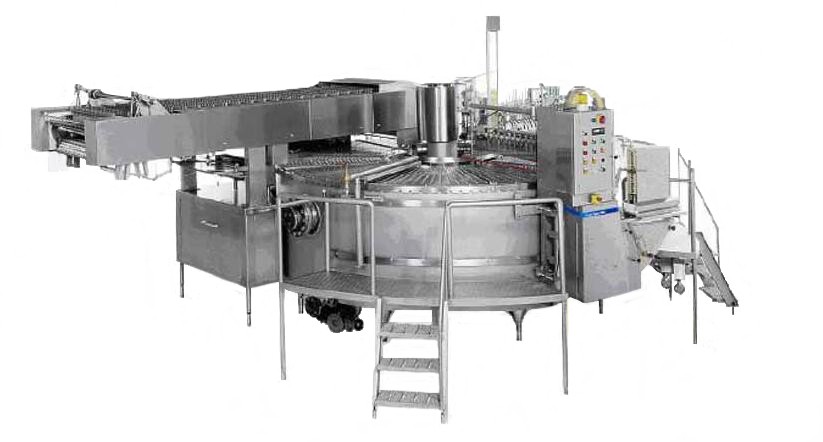
The control panel is the brain of your RM35 ice cream rotary moulding line. If there are any electrical problems, it's likely that the control panel will show some signs.
Take a close look at the control panel for any visible damage, such as burnt-out fuses or loose wires. Fuses are designed to blow when there's an electrical overload, protecting the rest of the machine from damage. If you find a blown fuse, replace it with a new one of the same rating.
Check the display on the control panel. If it's showing error messages, write them down. These messages can give you valuable clues about what's going wrong. Some common error messages might indicate issues with sensors, motors, or communication between different components of the machine.
3. Examine the Sensors
Sensors play a crucial role in the operation of the RM35 ice cream rotary moulding line. They're responsible for detecting various parameters, such as temperature, level, and position. If a sensor malfunctions, it can cause the machine to stop working or operate incorrectly.
Start by checking the wiring connections of the sensors. Make sure they're tight and free from corrosion. If you notice any loose or damaged wires, repair or replace them.
You can also use a multimeter to test the sensors. Each sensor has a specific resistance or voltage range when it's working properly. By comparing the readings you get from the multimeter with the manufacturer's specifications, you can determine if a sensor is faulty. If you find a faulty sensor, replace it with a new one.
4. Look at the Motors
The motors in the RM35 ice cream rotary moulding line are responsible for driving the various moving parts, such as the conveyor belts and the moulding mechanisms. If a motor isn't working correctly, it can cause the entire production line to come to a halt.
Listen for any unusual noises coming from the motors. Grinding, squealing, or humming sounds can indicate a problem. Check the motor's wiring connections and make sure they're secure. You can also use a multimeter to test the motor's resistance. If the resistance is outside the normal range, the motor might be faulty.
If you suspect a motor is bad, it's best to replace it. However, before you do that, make sure to check if there are any mechanical issues that might be causing the motor to overwork. For example, a jammed conveyor belt can put extra strain on the motor.
5. Check the Wiring Harness
The wiring harness is like the nervous system of the RM35 ice cream rotary moulding line. It connects all the electrical components together and allows them to communicate with each other. Over time, the wiring harness can become damaged due to wear and tear, vibration, or exposure to moisture.
Inspect the wiring harness for any signs of damage, such as frayed wires, cuts, or exposed insulation. If you find any damaged areas, repair or replace the wiring harness. Make sure to use the correct type of wire and connectors to ensure a proper connection.
It's also a good idea to clean the wiring harness periodically to prevent the buildup of dust and debris, which can cause electrical problems.
6. Update the Firmware
Sometimes, electrical problems can be caused by outdated firmware. The manufacturer of the RM35 ice cream rotary moulding line might release firmware updates to fix bugs, improve performance, and add new features.
Check the manufacturer's website to see if there are any available firmware updates for your machine. Follow the instructions carefully to install the update. Make sure to back up any important data before you start the update process.
7. Seek Professional Help
If you've tried all the above steps and you're still having electrical problems with your RM35 ice cream rotary moulding line, it might be time to seek professional help. A qualified electrician or a technician who specializes in ice cream production equipment can diagnose and fix the problem more accurately.
They have the tools and expertise to troubleshoot complex electrical issues and can ensure that your machine is repaired safely and correctly.
Conclusion
Troubleshooting electrical problems with the RM35 ice cream rotary moulding line can be a bit of a challenge, but by following these steps, you can often identify and fix the issue on your own. Remember to always prioritize safety when working with electrical equipment.
If you're in the market for a high - quality RM35 ice cream rotary moulding line or need replacement parts, check out our RM35 Ice Lolly Popsicle Production Line, RM35 Industrial Popsicle Making Machine, and RM35 Industrial Popsicle Making Machine.
If you have any questions or are interested in purchasing our equipment, don't hesitate to reach out to us for a purchase consultation. We're here to help you get the most out of your ice cream production line.

References
- Manufacturer's manual for the RM35 ice cream rotary moulding line
- Electrical troubleshooting guides for industrial equipment


