


As a supplier of the N1000L continuous ice cream freezer, I understand the importance of ensuring its optimal performance and longevity. One of the most crucial issues that users may encounter is overheating, which can not only affect the quality of ice - cream production but also damage the equipment. In this blog, I will share some effective ways to prevent the N1000L continuous ice cream freezer from overheating.
Understanding the Causes of Overheating
Before we delve into prevention methods, it's essential to understand why the N1000L ice cream freezer may overheat. The following are some common causes:
- Poor Ventilation: The freezer generates heat during operation, and if the surrounding area does not allow sufficient air circulation, the heat will accumulate, leading to overheating.
- Dirty Condenser Coils: The condenser coils are responsible for dissipating heat from the refrigerant. When they are clogged with dust, dirt, or pet hair, heat transfer efficiency declines, and the freezer may overheat.
- Refrigerant Issues: Low refrigerant levels or a refrigerant leak can disrupt the cooling cycle. As the compressor has to work harder to compensate for the lack of effective cooling, overheating can occur.
- Overloading: If the freezer is operated beyond its recommended capacity for an extended period, the compressor and other components will be under excessive stress, resulting in overheating.
Preventive Measures
1. Ensure Adequate Ventilation
Proper ventilation is the cornerstone of preventing overheating in the N1000L continuous ice cream freezer. Here's what you can do:
- Installation Location: When installing the freezer, choose a spacious area with good air circulation. Keep it away from heat sources such as ovens, direct sunlight, or radiators.
- Clearance Space: Make sure there is enough clearance around the freezer. Generally, leaving at least 10 - 12 inches of space on the sides and back of the unit will allow the hot air to escape freely.
2. Regularly Clean the Condenser Coils
Cleaning the condenser coils should be a part of your regular maintenance routine. Here are the steps:
- Power Off: Before starting the cleaning process, turn off the freezer and unplug it from the power source to ensure safety.
- Remove the Access Panel: Locate the access panel for the condenser coils, usually at the back or bottom of the unit. Use a screwdriver to remove the panel carefully.
- Clean the Coils: You can use a soft - bristle brush or a vacuum cleaner with a brush attachment to gently remove the dust and debris from the coils. Be careful not to damage the delicate fins.
- Replace the Access Panel: Once the coils are clean, put the access panel back in place and secure it with the screws.
3. Check and Maintain Refrigerant Levels
Refrigerant is the lifeblood of the cooling system in the ice cream freezer. To ensure proper refrigerant levels:
- Professional Inspection: Have a qualified technician check the refrigerant levels regularly. They can use specialized equipment to measure the pressure and determine if the refrigerant is at the correct level.
- Repair Leaks Promptly: If a refrigerant leak is detected, it should be repaired immediately. A small leak can gradually lead to a significant loss of refrigerant, causing the compressor to overwork.
4. Avoid Overloading
To prevent overheating due to overloading:
- Understand the Capacity: Familiarize yourself with the N1000L's recommended production capacity. Do not exceed this limit, as it can put excessive strain on the compressor and other components.
- Manage Production Schedule: Plan your ice cream production in a way that does not overwhelm the freezer. If you need to produce a large quantity of ice cream, consider spreading out the production over multiple batches.
5. Monitor the Temperature and Pressure
Regularly monitoring the temperature and pressure of the freezer is an important preventive measure.
- Use Monitoring Devices: Install temperature and pressure gauges if they are not already part of the freezer. These gauges can provide real - time data on the operating conditions of the unit.
- Set Alarms: Some advanced freezers come with alarm systems that can alert you when the temperature or pressure exceeds the normal range. If your freezer does not have this feature, you can still set up a reminder to check the gauges regularly.
Additional Tips for Optimal Performance
- Regular Maintenance: In addition to the above - mentioned tasks, schedule regular maintenance for the N1000L continuous ice cream freezer. This can include checking the belts, motors, and other mechanical components for wear and tear.
- Employee Training: If you have a team operating the freezer, make sure they are properly trained. They should understand the correct operating procedures, how to recognize signs of overheating, and what to do in case of an emergency.
Related Products
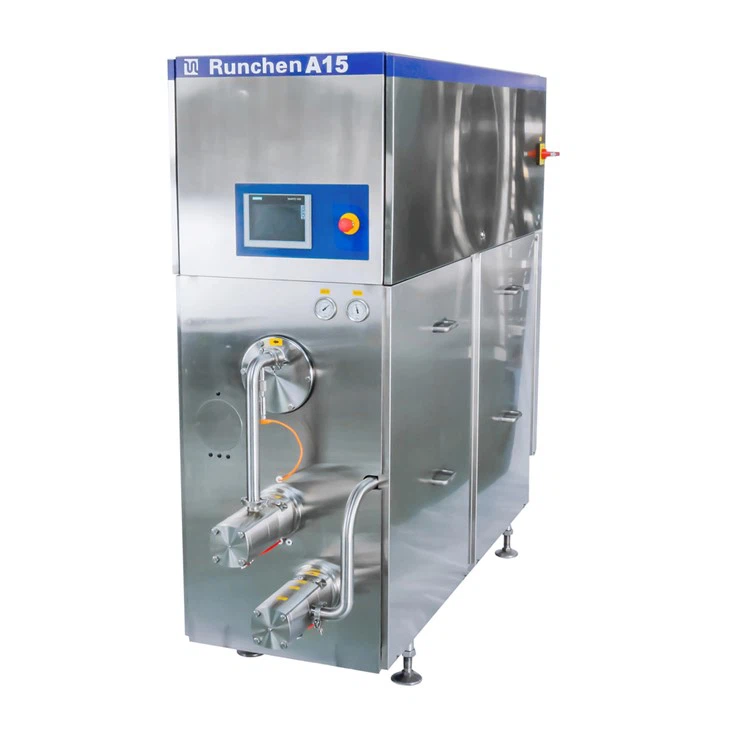
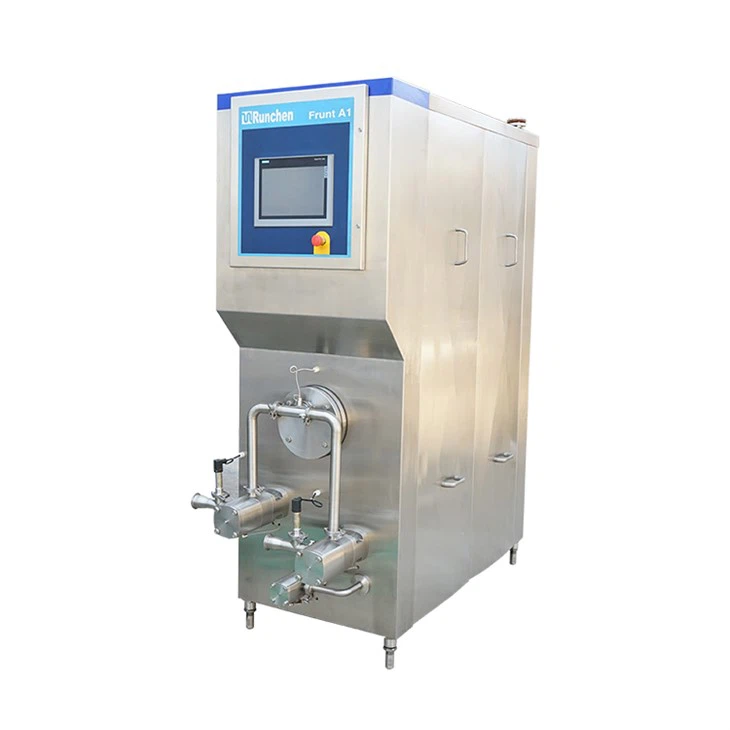
If you are interested in other industrial - grade ice cream freezers, we also offer the A600L Industrial Automatic and Continuous Freezer, A1000L Industrial Automatic and Continuous Freezer, and A1500L Automatic and Continuous Commercial Ice Cream Machine. These products are designed to meet different production requirements and come with similar advanced features to ensure reliable and efficient operation.
Conclusion
Preventing the N1000L continuous ice cream freezer from overheating is crucial for maintaining its performance and extending its lifespan. By following the preventive measures outlined in this blog, you can ensure that your freezer operates smoothly and effectively, delivering high - quality ice cream consistently. If you have any further questions or are interested in purchasing our N1000L continuous ice cream freezer or other related products, feel free to reach out to us for a comprehensive discussion about your specific needs and procurement details.
References
- The Basics of Ice Cream Freezer Maintenance, Ice Cream Technology Journal, Volume 15, Issue 3.
- Preventive Maintenance Strategies for Commercial Refrigeration Equipment, Food Service Equipment Review, 2022.