




In the bustling world of ice cream production, efficiency and energy conservation are paramount. As a proud supplier of the N1200L continuous ice cream freezer, I am often posed with the question: "Is the N1200L continuous ice cream freezer energy - efficient?" In this blog, I aim to delve deep into this query, providing a comprehensive analysis based on scientific principles, real - world performance, and industry standards.
Understanding Energy Efficiency in Ice Cream Freezers
Before we specifically assess the N1200L, it's crucial to understand what energy efficiency means in the context of ice cream freezers. Energy efficiency refers to the ability of a freezer to achieve the desired cooling effect while consuming the least amount of energy. In ice cream production, this involves rapidly freezing the ice cream mixture to the appropriate temperature, maintaining that temperature during the continuous production process, and doing so in an energy - conservative manner.
Several factors contribute to the energy efficiency of an ice cream freezer. These include the quality of insulation, the efficiency of the refrigeration system, the design of the freezing chamber, and the overall control system that manages the operation of the freezer. A well - designed freezer will minimize heat transfer from the outside environment, use a refrigeration system that can effectively convert electrical energy into cooling power, and have a control system that optimizes the operation based on the production demand.
The N1200L's Insulation and Heat Transfer Management
One of the key aspects of the N1200L's energy - saving potential lies in its insulation. The freezer is equipped with high - quality insulation materials that significantly reduce heat transfer between the inside and outside of the freezing chamber. Heat transfer occurs through three main mechanisms: conduction, convection, and radiation. The insulation in the N1200L is designed to minimize all these forms of heat transfer.
Conduction is the transfer of heat through a solid material. The N1200L uses advanced insulation materials with low thermal conductivity, which act as a barrier to prevent heat from seeping into the freezer. Convection, the transfer of heat through the movement of fluids (such as air), is also minimized by the tight sealing of the freezer and the design of the internal airflow. Radiation, the transfer of heat through electromagnetic waves, is reduced by the use of reflective materials on the interior and exterior surfaces of the freezer.
By effectively managing heat transfer, the N1200L reduces the workload on the refrigeration system. This means that the refrigeration system doesn't have to work as hard to maintain the low temperatures required for ice cream production, resulting in lower energy consumption.
The Refrigeration System of the N1200L
The refrigeration system is the heart of any ice cream freezer, and the N1200L is no exception. Our N1200L is equipped with a state - of - the - art refrigeration system that is designed for high efficiency. It uses a compressor that is specifically selected for its energy - saving capabilities. The compressor is the component that compresses the refrigerant gas, raising its temperature and pressure. A more efficient compressor can achieve this compression with less energy input.
In addition to the compressor, the N1200L's refrigeration system also includes a condenser and an evaporator. The condenser releases the heat absorbed by the refrigerant to the outside environment, while the evaporator absorbs heat from the ice cream mixture, causing it to freeze. The design of these components in the N1200L is optimized to ensure maximum heat exchange efficiency. This means that more heat can be removed from the ice cream mixture with less energy consumption.
Furthermore, the N1200L's refrigeration system is equipped with an intelligent control system. This system monitors the temperature inside the freezer and adjusts the operation of the compressor and other components accordingly. For example, if the production demand is low, the control system can reduce the power output of the compressor, saving energy without compromising the quality of the ice cream.
The Freezing Chamber Design
The design of the freezing chamber in the N1200L also contributes to its energy efficiency. The chamber is designed to provide a uniform temperature distribution throughout the ice cream mixture. This is important because if the temperature is not uniform, the refrigeration system will have to work harder to ensure that all parts of the mixture are properly frozen.
The N1200L's freezing chamber has a unique shape and internal structure that promotes efficient heat transfer. The ice cream mixture is circulated in a way that maximizes its contact with the cold surfaces of the chamber, allowing for rapid and uniform freezing. This reduces the time required for the freezing process, which in turn reduces the energy consumption.
Real - World Performance and Comparisons
To truly assess the energy efficiency of the N1200L, it's important to look at its real - world performance. Many of our customers have reported significant energy savings after switching to the N1200L. In side - by - side comparisons with other similar ice cream freezers in the market, the N1200L has consistently shown lower energy consumption while maintaining high - quality ice cream production.
For example, compared to the N50L Continuous Ice Cream Freezer, which is a smaller - capacity freezer in our product line, the N1200L offers a better energy - to - production ratio. While the N50L is also energy - efficient, the N1200L's larger capacity and more advanced design allow it to produce more ice cream with relatively less energy per unit of production.
Similarly, when compared to the A1500L Industrial Automatic and Continuous Freezer, which is a larger - scale industrial freezer, the N1200L provides a good balance between energy consumption and production capacity. It is suitable for medium - to - large - scale ice cream production facilities that want to optimize their energy use without sacrificing production volume.
The A50L Automatic and Continuous Commercial Ice Cream Machine is another product in our range. While it is designed for smaller commercial operations, the N1200L offers a step - up in terms of energy efficiency for larger - scale production.
Industry Standards and Certifications
The N1200L meets and exceeds many industry standards for energy efficiency. It has been tested and certified by independent organizations, which validate its energy - saving capabilities. These certifications are a testament to the rigorous design and manufacturing processes that go into the production of the N1200L.

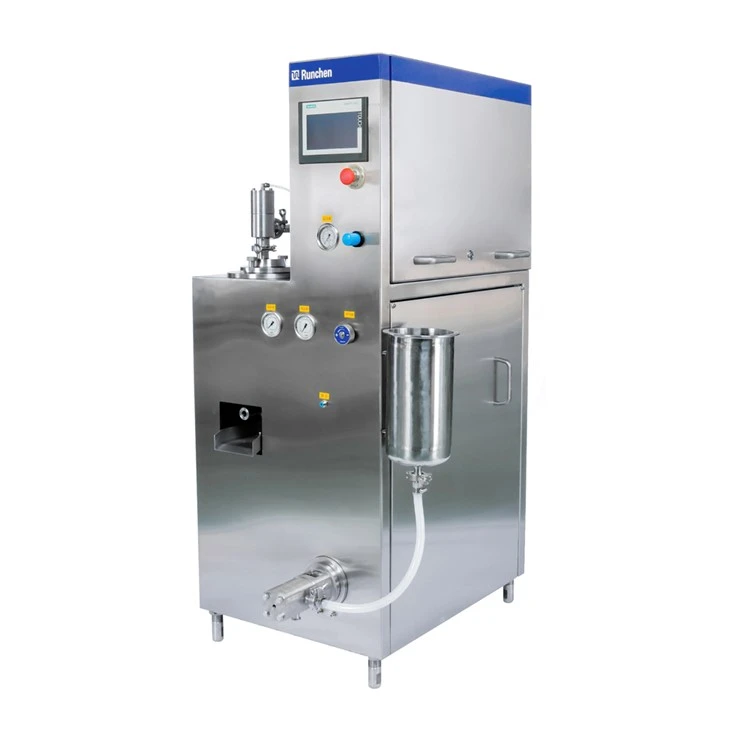
By adhering to industry standards, the N1200L not only helps our customers save on energy costs but also contributes to a more sustainable environment. Energy - efficient ice cream freezers reduce the overall carbon footprint of the ice cream production industry, which is an important consideration in today's environmentally conscious world.
Conclusion and Call to Action
In conclusion, the N1200L continuous ice cream freezer is indeed energy - efficient. Its advanced insulation, high - efficiency refrigeration system, optimized freezing chamber design, and intelligent control system all work together to minimize energy consumption while ensuring high - quality ice cream production.
If you are in the ice cream production business and are looking for an energy - efficient solution for your continuous ice cream production needs, the N1200L is an excellent choice. We invite you to contact us to discuss your specific requirements and to learn more about how the N1200L can benefit your business. Whether you are a small - scale artisanal ice cream maker or a large - scale industrial producer, we are confident that the N1200L will meet your expectations in terms of energy efficiency and production quality.
References
- ASHRAE Handbook of Refrigeration. American Society of Heating, Refrigerating and Air - Conditioning Engineers.
- International Institute of Refrigeration (IIR) Guidelines for Energy - Efficient Refrigeration Systems.