


Ice cream is a beloved treat enjoyed by people of all ages around the world. Whether it's a hot summer day or a cozy winter evening, there's nothing quite like a scoop of delicious ice cream. But have you ever wondered how an ice cream freezer works? As a leading ice cream freezer supplier, I'm excited to share with you the inner workings of these amazing machines.
The Basics of an Ice Cream Freezer
At its core, an ice cream freezer is a device that freezes and churns a mixture of milk, cream, sugar, and other flavorings to create the smooth, creamy texture we all know and love. The process involves several key components and steps, each of which plays a crucial role in producing high-quality ice cream.

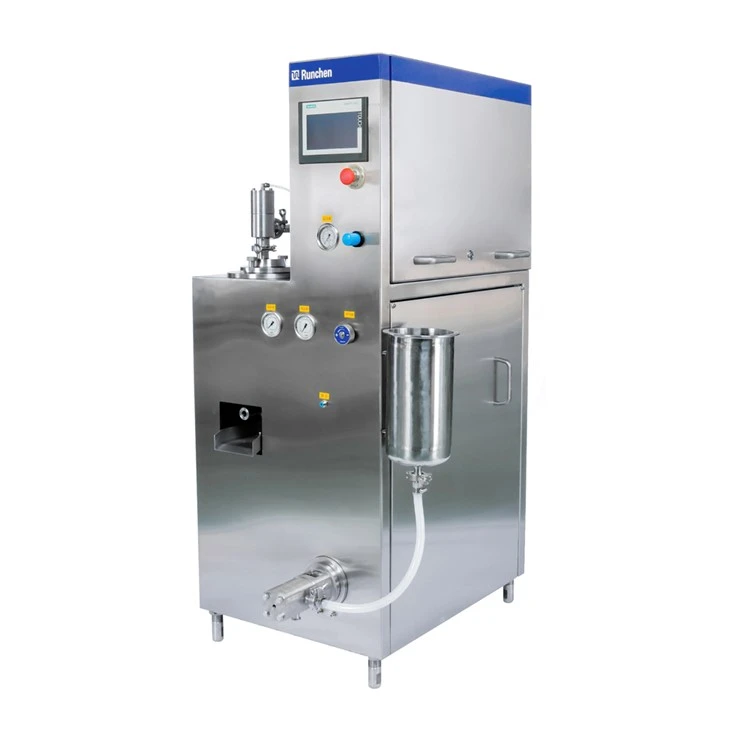
1. Refrigeration System
The heart of an ice cream freezer is its refrigeration system. This system is responsible for removing heat from the ice cream mixture and lowering its temperature to the point where it freezes. Most ice cream freezers use a vapor compression refrigeration cycle, which consists of four main components: a compressor, a condenser, an expansion valve, and an evaporator.
- Compressor: The compressor is the powerhouse of the refrigeration system. It draws in low-pressure, low-temperature refrigerant gas from the evaporator and compresses it into a high-pressure, high-temperature gas. This increase in pressure and temperature allows the refrigerant to release heat more effectively in the condenser.
- Condenser: The condenser is a heat exchanger that transfers heat from the refrigerant gas to the surrounding air or water. As the high-pressure, high-temperature refrigerant gas passes through the condenser coils, it releases heat and condenses into a high-pressure liquid.
- Expansion Valve: The expansion valve is a small device that regulates the flow of refrigerant into the evaporator. It reduces the pressure of the high-pressure liquid refrigerant, causing it to expand and turn into a low-pressure, low-temperature mixture of liquid and gas.
- Evaporator: The evaporator is another heat exchanger that absorbs heat from the ice cream mixture. As the low-pressure, low-temperature refrigerant mixture passes through the evaporator coils, it absorbs heat from the ice cream mixture and evaporates into a low-pressure gas. This process cools the ice cream mixture and causes it to freeze.
2. Churning Mechanism
In addition to the refrigeration system, an ice cream freezer also has a churning mechanism that helps to create the smooth, creamy texture of ice cream. The churning process involves stirring the ice cream mixture while it is freezing, which prevents the formation of large ice crystals and incorporates air into the mixture.
There are two main types of churning mechanisms used in ice cream freezers: batch and continuous.
- Batch Churn: A batch churn is a traditional type of ice cream freezer that freezes and churns the ice cream mixture in batches. The ice cream mixture is poured into a freezing chamber, and a paddle or beater stirs the mixture as it freezes. Once the ice cream reaches the desired consistency, the batch is removed from the freezer and served.
- Continuous Churn: A continuous churn is a more modern type of ice cream freezer that freezes and churns the ice cream mixture continuously. The ice cream mixture is pumped into a freezing cylinder, where it is chilled and churned by a rotating auger. As the ice cream mixture moves through the freezing cylinder, it is gradually frozen and whipped into a smooth, creamy texture. The finished ice cream is then dispensed directly from the freezer.
Types of Ice Cream Freezers
There are several different types of ice cream freezers available on the market, each designed to meet the specific needs of different users. Here are some of the most common types of ice cream freezers:
1. Home Ice Cream Freezers
Home ice cream freezers are designed for use in the home kitchen. They are typically smaller and less expensive than commercial ice cream freezers, and they come in a variety of styles and sizes. Some home ice cream freezers require pre-freezing of the freezer bowl, while others have built-in refrigeration systems.
2. Commercial Ice Cream Freezers
Commercial ice cream freezers are designed for use in commercial settings, such as ice cream shops, restaurants, and cafes. They are typically larger and more powerful than home ice cream freezers, and they are capable of producing large quantities of ice cream quickly and efficiently. Commercial ice cream freezers come in a variety of styles and sizes, including batch freezers, continuous freezers, and soft-serve machines.
As an ice cream freezer supplier, we offer a wide range of commercial ice cream freezers to meet the needs of our customers. Some of our popular models include the A50L Automatic and Continuous Commercial Ice Cream Machine, the A600L Italian Gelato Hard Ice Cream Making Machine, and the A1200L Commercial Automatic and Continuous Ice Cream Machine.
3. Soft-Serve Machines
Soft-serve machines are a type of commercial ice cream freezer that is specifically designed to produce soft-serve ice cream. Soft-serve ice cream is a type of ice cream that is served at a higher temperature than traditional ice cream, which gives it a softer, creamier texture. Soft-serve machines typically have a built-in refrigeration system and a dispensing mechanism that allows the ice cream to be served directly from the machine.
Factors Affecting Ice Cream Quality
Several factors can affect the quality of ice cream produced by an ice cream freezer. Here are some of the most important factors to consider:
1. Ingredients
The quality of the ingredients used in the ice cream mixture can have a significant impact on the final product. Using high-quality milk, cream, sugar, and flavorings will result in a richer, creamier ice cream with a more intense flavor.
2. Mixing and Pasteurization
Proper mixing and pasteurization of the ice cream mixture are essential for ensuring a smooth, consistent texture and preventing the growth of harmful bacteria. The ice cream mixture should be mixed thoroughly to ensure that all of the ingredients are evenly distributed, and it should be pasteurized at the appropriate temperature and time to kill any bacteria.
3. Freezing Temperature and Time
The freezing temperature and time can also affect the quality of the ice cream. Freezing the ice cream too quickly can result in the formation of large ice crystals, while freezing it too slowly can result in a soft, icy texture. The ideal freezing temperature for ice cream is between -10°C and -15°C, and the freezing time will depend on the type of ice cream freezer and the size of the batch.
4. Churning Speed and Duration
The churning speed and duration can also affect the texture of the ice cream. Churning the ice cream at a higher speed and for a longer duration will result in a smoother, creamier texture with more air incorporated into the mixture. However, churning the ice cream too aggressively can also cause it to become over-whipped and lose its shape.
Conclusion
In conclusion, an ice cream freezer is a complex machine that uses a combination of refrigeration and churning to produce the smooth, creamy texture of ice cream. Understanding how an ice cream freezer works can help you choose the right machine for your needs and ensure that you produce high-quality ice cream every time.
As a leading ice cream freezer supplier, we are committed to providing our customers with the highest quality products and services. If you are interested in purchasing an ice cream freezer or have any questions about our products, please don't hesitate to contact us. We would be happy to help you find the perfect ice cream freezer for your business or home.
References
- ASHRAE Handbook of Refrigeration. American Society of Heating, Refrigerating and Air-Conditioning Engineers.
- Ice Cream: Science and Technology. Second Edition. R. T. Marshall, H. D. Goff, and R. W. Hartel. Kluwer Academic/Plenum Publishers.