


Hey there, ice cream lovers and business folks! I'm an ice cream filler supplier, and let me tell you, the world of ice cream filler flavors is way more than just taste. It's a cultural goldmine! In this blog, I'll dig into the cultural significances of some popular ice cream filler flavors and how they connect with different parts of the world.
First up, let's talk about chocolate. Chocolate is like a universal language of indulgence. It's been around for ages, with its roots in ancient Mesoamerica. The Mayans and Aztecs were the first to cultivate cacao beans and turn them into a bitter drink, which was used in religious ceremonies and as a status symbol. Fast forward to today, and chocolate ice cream filler is a staple in ice cream shops worldwide. It represents luxury, comfort, and celebration. Whether it's a birthday party, a romantic date, or just a tough day at work, a scoop of chocolate ice cream can make things better.
In many Western cultures, chocolate is often associated with Valentine's Day. Couples exchange boxes of chocolates and chocolate - flavored treats as a symbol of love. Chocolate ice cream with a rich, creamy filler is no exception. It's the perfect way to show affection, and ice cream shops often go all out with special chocolate - themed flavors around this time.
Now, let's move on to strawberry. Strawberries are not only delicious but also have a lot of cultural meaning. In Europe, especially in France, strawberries are a sign of summer and freshness. They're often used in traditional desserts like strawberry tarts, and of course, strawberry ice cream. The bright red color of strawberries is also associated with joy and vitality.
In Japan, strawberries have a unique cultural significance. They're considered a luxury fruit, and high - quality strawberries are often given as gifts. Strawberry ice cream filler in Japan is not just about the taste; it's about the presentation and the idea of indulging in something special. Japanese ice cream shops often use fresh, local strawberries to create a premium product that appeals to both locals and tourists.
Another interesting flavor is green tea, or matcha. Matcha has deep roots in Japanese culture. It's used in traditional tea ceremonies, which are a form of art and a way to achieve inner peace. The process of preparing and drinking matcha is highly ritualized, emphasizing respect, harmony, and tranquility.
When it comes to ice cream, matcha filler offers a unique taste experience. It has a slightly bitter, earthy flavor that's very different from the sweet, fruity or creamy flavors we're used to. Matcha ice cream is popular not only in Japan but also in other parts of Asia and increasingly in the West. It represents a connection to Japanese traditions and a more refined, healthy approach to dessert. For those who are health - conscious, matcha is known for its antioxidants, which adds an extra layer of appeal.
Moving to the Middle East, rose water is a common and significant flavor in ice cream. Rose has long been a symbol of love, beauty, and purity in Middle Eastern cultures. Rose water is used in many traditional dishes and beverages, and ice cream is no exception. Rose - flavored ice cream with a delicate rose water filler is often served during weddings and other special occasions. It has a light, floral aroma that can transport you to the fragrant gardens of the Middle East.
In India, cardamom is a key spice in many desserts, including ice cream. Cardamom has a warm, spicy flavor that adds a unique twist to the creamy sweetness of ice cream. It's used in traditional Indian sweets like kulfi, a frozen dessert similar to ice cream. Cardamom is also associated with good health and digestion in Ayurvedic medicine. In Indian culture, sharing a bowl of cardamom - flavored ice cream is a way to bring family and friends together, especially during festivals like Diwali.
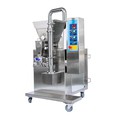
Now, as an ice cream filler supplier, I know how important it is to get the right equipment to make these amazing flavors. That's where our machines come in. We have some great options, like the Z12 Rotary Ice Cream Filling Machine. This machine is super efficient and can handle different types of ice cream fillers, whether it's a thick chocolate sauce or a light strawberry puree. It ensures a consistent filling every time, which is crucial for maintaining the quality of your ice cream.
If you're interested in the factory - made version of the Z12, check out the Z12 Rotary Ice Cream Filling Machine Factory. Here, you can see how these machines are produced and learn more about their features and capabilities.
We also have the Special Ice Cream Cup Filling and Sealing Machine. This machine is perfect for small to medium - sized ice cream businesses. It can fill and seal ice cream cups quickly and accurately, which is great for mass - producing ice cream with different filler flavors.
These machines are designed to help you create ice cream that not only tastes great but also reflects the cultural significance of different flavors. Whether you're targeting a local market or looking to expand globally, having the right equipment is essential.
If you're in the ice cream business and want to take your products to the next level, we'd love to talk to you. The cultural significance of ice cream filler flavors is huge, and with the right flavors and the right machines, you can create a unique and successful ice cream brand. So, don't hesitate to reach out for more information and to start a conversation about how we can work together.


In conclusion, ice cream filler flavors are more than just a combination of ingredients. They're a window into different cultures, traditions, and values. From the love - filled chocolate in the West to the serene matcha in Japan, each flavor tells a story. And as an ice cream filler supplier, I'm excited to be part of this cultural journey, helping businesses create delicious and meaningful ice cream products.
References
- "The History of Chocolate" by Sophie D. Coe and Michael D. Coe
- "Japanese Food Culture: Food, Self, and Society" by Harumi Shimokawa
- "Middle Eastern Cuisine: A Cultural History" by Colleen Taylor Sen
- "Indian Desserts: The Art of Mithai" by Vikas Khanna