


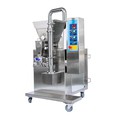
When it comes to transporting the EX800 ice cream extrusion line, there are several crucial requirements that need to be carefully considered. As a supplier of the EX800 ice cream extrusion line, I understand the significance of ensuring that this complex and valuable equipment arrives at its destination in perfect condition. In this blog post, I will delve into the various transportation requirements for the EX800 ice cream extrusion line, covering aspects such as packaging, handling, shipping methods, and more.
Packaging Requirements
Proper packaging is the first line of defense in protecting the EX800 ice cream extrusion line during transportation. The equipment is composed of multiple components, including the EX800 Ice Cream Extruder Machine, the EX800 Ice Cream Extrusion Tunnel, and other ancillary parts. Each component must be individually packaged to prevent damage from impacts, vibrations, and environmental factors.
For the larger components, such as the extrusion tunnel, custom-made wooden crates are often used. These crates are designed to fit the specific dimensions of the equipment and provide a sturdy and protective enclosure. Inside the crates, shock-absorbing materials like foam padding or air cushions are placed around the equipment to minimize the impact of any sudden movements during transit.
The smaller components, such as control panels, motors, and sensors, are typically packed in sealed plastic bags to protect them from dust and moisture. These bags are then placed in smaller cardboard boxes, which are further cushioned with packing peanuts or bubble wrap. Additionally, all electrical connections and delicate parts are covered with protective caps or sleeves to prevent any damage.
Handling Requirements
Once the EX800 ice cream extrusion line is properly packaged, careful handling is essential to ensure its safety during transportation. Only trained and experienced personnel should be involved in the loading and unloading processes. These individuals should be familiar with the weight, dimensions, and fragility of the equipment and follow strict safety protocols.
When loading the equipment onto a transport vehicle, special care must be taken to ensure that it is positioned securely. The use of forklifts or other lifting equipment with appropriate capacity is necessary to avoid any mishaps. The equipment should be evenly distributed on the vehicle to prevent excessive stress on any one area. Straps or chains are used to secure the equipment to the vehicle, preventing it from shifting during transit.
During unloading, the same level of caution must be exercised. The equipment should be removed from the vehicle in the reverse order of loading, ensuring that each component is handled gently and placed in a safe location. Any signs of damage during the handling process should be immediately reported and documented.
Shipping Method Requirements
The choice of shipping method for the EX800 ice cream extrusion line depends on several factors, including the destination, the urgency of delivery, and the budget. There are three main shipping methods commonly used: road, sea, and air.
Road Shipping
Road shipping is a popular choice for transporting the EX800 ice cream extrusion line within a relatively short distance. It offers the advantage of door-to-door delivery, which means that the equipment can be directly transported from our factory to the customer's site. However, road shipping is subject to traffic conditions and weight restrictions. For larger and heavier equipment, specialized trucks or trailers may be required.
Sea Shipping
Sea shipping is a cost - effective option for international shipments. The EX800 ice cream extrusion line can be loaded into standard shipping containers, which are then transported by cargo ships. This method is suitable for large - scale equipment as it can accommodate the size and weight of the extrusion line. However, sea shipping has a longer transit time compared to other methods, and there may be additional handling requirements at ports.
Air Shipping
Air shipping is the fastest option for transporting the EX800 ice cream extrusion line. It is ideal for urgent orders or when the destination is far away. However, air shipping is more expensive than road or sea shipping. The equipment needs to meet strict weight and size limitations set by airlines, and special packaging may be required to comply with aviation safety regulations.
Environmental Requirements
The EX800 ice cream extrusion line is sensitive to environmental conditions during transportation. Extreme temperatures, humidity, and exposure to sunlight can all have a negative impact on the equipment.
Temperature control is crucial, especially for the electrical and mechanical components. If the equipment is being shipped to a region with very high or very low temperatures, special measures may need to be taken. For example, in hot climates, insulated containers or the use of cooling systems may be necessary to keep the equipment within a safe temperature range.
Humidity can also cause corrosion and damage to the metal parts of the equipment. To prevent this, moisture - absorbing materials such as silica gel packets are often placed inside the packaging. Additionally, sealed containers can help to keep the humidity levels under control.
Exposure to sunlight can cause fading and degradation of certain materials. When transporting the equipment, it should be protected from direct sunlight, either by using covered transport vehicles or by wrapping the equipment in UV - resistant materials.
Documentation Requirements
Proper documentation is an important part of transporting the EX800 ice cream extrusion line. This includes a detailed packing list that describes each component of the equipment, its quantity, and its value. The packing list helps in ensuring that all parts are accounted for during transit and can also be used for customs clearance purposes.
A bill of lading is another essential document. It serves as a contract between the shipper and the carrier, detailing the terms of transportation, the origin and destination of the shipment, and the responsibility for the goods. For international shipments, additional customs documents, such as a commercial invoice and a certificate of origin, are required. These documents are necessary for the customs clearance process at the destination country.
Insurance Requirements
Given the high value and complexity of the EX800 ice cream extrusion line, it is highly recommended to obtain insurance coverage for the transportation. Insurance provides financial protection in case of any damage or loss during transit. We work with reputable insurance providers to offer our customers comprehensive insurance options.
The insurance policy should cover all aspects of the transportation, including packaging, handling, and shipping. It should also provide coverage for both accidental damage and natural disasters. Before finalizing the insurance, it is important to carefully review the terms and conditions, including the deductible amount and the claim process.
Conclusion
Transporting the EX800 ice cream extrusion line requires a comprehensive approach that takes into account packaging, handling, shipping methods, environmental conditions, documentation, and insurance. As a supplier, we are committed to ensuring that the equipment is transported safely and efficiently to our customers' sites.
If you are interested in purchasing the EX800 Ice Cream Extrusion Line, we encourage you to contact us for more information. Our team of experts is ready to assist you with all aspects of the procurement process, including transportation arrangements. We look forward to the opportunity to work with you and provide you with the best possible service.


References
- General guidelines for industrial equipment transportation.
- Industry standards for packaging and shipping of food processing equipment.