


Hey there! As a supplier of ice cream freezers, I often get asked about what materials these freezers are usually made of. Well, in this blog, I'm gonna break it down for you and share all the deets on the materials used in ice cream freezers.
Stainless Steel: The Go - To Material
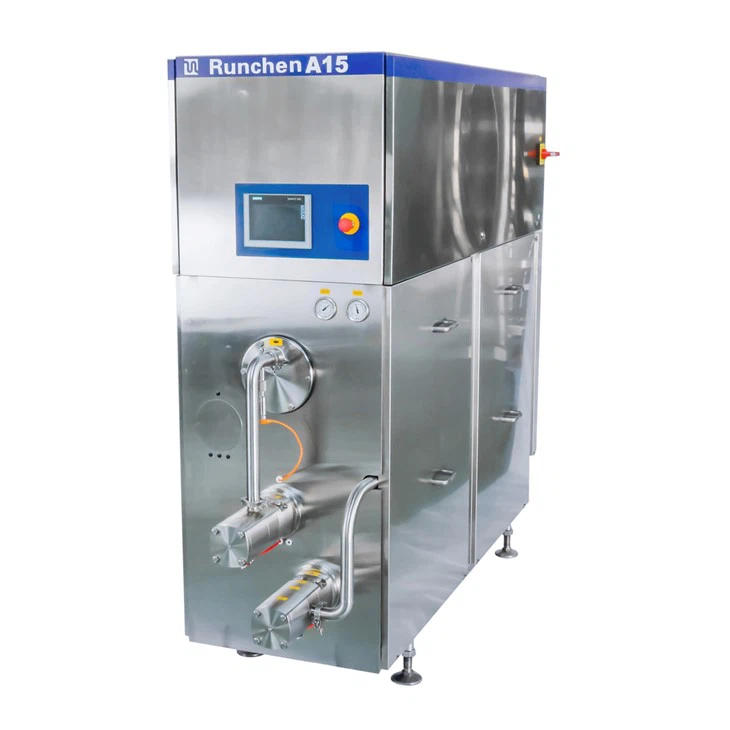
One of the most common materials you'll find in ice cream freezers is stainless steel. It's like the superhero of materials when it comes to these machines. Why? Well, first off, stainless steel is incredibly durable. It can withstand a lot of wear and tear, which is super important considering the constant use ice cream freezers get. Whether it's the daily churning of ice cream or the occasional bumps and knocks in a busy kitchen, stainless steel holds up like a champ.
Another great thing about stainless steel is its resistance to corrosion. Ice cream freezers are constantly exposed to moisture, and if the material isn't corrosion - resistant, it can start to rust over time. Rust not only looks bad but can also contaminate the ice cream and damage the freezer's internal components. Stainless steel keeps all that at bay, ensuring a long - lasting and hygienic freezer.
The interior of many ice cream freezers, especially the parts that come into contact with the ice cream mixture, are made of stainless steel. This is crucial for maintaining food safety standards. Stainless steel is non - porous, which means it doesn't absorb any flavors or odors from the ice cream. So, you can make different flavors of ice cream one after another without any cross - contamination.
For example, our A1500L Italian Gelato Hard Ice Cream Making Machine features a high - quality stainless steel interior. It's designed to handle large batches of gelato production, and the stainless steel construction ensures that it can do so for years to come.
Aluminum: Lightweight and Efficient
Aluminum is another material that's commonly used in ice cream freezers, especially in the condenser coils. Condenser coils play a vital role in the cooling process of the freezer. They help dissipate the heat generated during the refrigeration cycle.
Aluminum is a great choice for condenser coils because it's lightweight. This makes the freezer easier to move around and install. It also has excellent thermal conductivity, which means it can transfer heat quickly and efficiently. This helps the freezer cool down faster and maintain a consistent temperature, which is essential for making high - quality ice cream.
Compared to other metals, aluminum is also relatively inexpensive. This helps keep the cost of the ice cream freezer down without sacrificing performance. However, it's important to note that aluminum is not as strong as stainless steel, so it's usually not used for the main structural parts of the freezer.
Our A1200L Automatic and Continuous Ice Cream Freezer uses aluminum condenser coils. The efficient heat transfer of these coils allows the freezer to operate continuously, making it perfect for busy ice cream shops or production facilities.

Insulation Materials: Keeping the Cold In
Insulation is a key component of any ice cream freezer. It helps to keep the cold air inside the freezer and prevent warm air from getting in. There are several types of insulation materials used in ice cream freezers.
One of the most common insulation materials is polyurethane foam. Polyurethane foam is a great insulator because it has a low thermal conductivity. This means it doesn't allow heat to pass through easily. It also has a high density, which helps to fill in any gaps and prevent air leakage.
Another advantage of polyurethane foam is that it can be molded to fit the shape of the freezer. This ensures a tight and effective insulation layer. It's usually applied between the inner and outer walls of the freezer during the manufacturing process.
Some ice cream freezers also use fiberglass insulation. Fiberglass is made of fine glass fibers and is known for its good insulating properties. It's also relatively inexpensive. However, it can be a bit messy to work with, and proper handling is required to avoid skin irritation.
The insulation in our freezers is carefully chosen to ensure maximum energy efficiency. For instance, our A50L Automatic and Continuous Ice Cream Freezer uses high - quality polyurethane foam insulation. This helps to keep the ice cream at the right temperature while minimizing energy consumption.
Plastics: For Function and Aesthetics
Plastics are used in various parts of ice cream freezers for both functional and aesthetic reasons. For example, the control panels of many ice cream freezers are made of plastic. Plastic is easy to mold into different shapes, which allows for the creation of user - friendly control interfaces. It's also lightweight and relatively inexpensive.
Some of the exterior parts of the freezer, such as the door handles and decorative trim, may also be made of plastic. Plastic can be colored and textured to match the overall design of the freezer, giving it a modern and attractive look.
However, not all plastics are created equal. When it comes to ice cream freezers, it's important to use food - grade plastics for any parts that may come into contact with the ice cream. Food - grade plastics are safe for use with food and meet strict health and safety standards.
Seals and Gaskets: Keeping the Cold Air Sealed In
Seals and gaskets are often overlooked but are essential for the proper functioning of an ice cream freezer. These are usually made of rubber or silicone.
Rubber seals are commonly used because they are flexible and can create a tight seal around the doors and other openings of the freezer. They help to prevent cold air from escaping and warm air from entering. Silicone gaskets are also a popular choice, especially in high - end ice cream freezers. Silicone is more resistant to heat and cold than rubber, and it doesn't dry out or crack as easily over time.
Properly maintained seals and gaskets are crucial for energy efficiency. If the seal is broken or worn out, the freezer has to work harder to maintain the desired temperature, which can lead to higher energy bills.
Conclusion
So, there you have it! The materials used in ice cream freezers are carefully chosen for their durability, functionality, and safety. Stainless steel, aluminum, insulation materials, plastics, and seals all play important roles in making a high - quality ice cream freezer.
If you're in the market for an ice cream freezer, whether it's for a small ice cream parlor or a large - scale production facility, we've got you covered. Our range of ice cream freezers, like the ones I've mentioned above, are made with the best materials to ensure long - lasting performance and delicious ice cream.
If you're interested in learning more about our products or have any questions about ice cream freezers, don't hesitate to reach out. We're here to help you find the perfect freezer for your needs and guide you through the purchasing process. Let's start a conversation and see how we can work together to make your ice cream business a success!
References
- "Food Equipment Materials: A Guide for the Food Industry", International Association for Food Protection
- "Thermal Insulation Materials and Systems", American Society for Testing and Materials


