


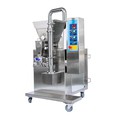
As a supplier of the N2000L continuous ice cream freezer, I understand the importance of regular maintenance to ensure the optimal performance and longevity of this equipment. In this blog, I'll delve into the key parts of the N2000L continuous ice cream freezer that require regular maintenance, offering insights and tips to help you keep your machine running smoothly.
1. Compressor
The compressor is the heart of the ice cream freezer, responsible for compressing the refrigerant gas and maintaining the low temperature inside the freezer. Regular maintenance of the compressor is crucial to prevent breakdowns and ensure efficient cooling.
- Cleaning: Over time, dust and debris can accumulate on the compressor, reducing its efficiency. It's essential to clean the compressor regularly to remove any dirt or grime. Use a soft brush or compressed air to gently clean the exterior of the compressor.
- Lubrication: Some compressors require lubrication to operate smoothly. Check the manufacturer's guidelines to determine if your compressor needs lubrication and follow the recommended schedule. Using the right type of lubricant is also important to avoid damage to the compressor.
- Inspection: Regularly inspect the compressor for any signs of wear or damage, such as leaks, unusual noises, or vibrations. If you notice any issues, it's important to address them promptly to prevent further damage.
2. Condenser
The condenser is another critical component of the ice cream freezer, responsible for releasing heat from the refrigerant gas. A dirty or clogged condenser can reduce the efficiency of the freezer and lead to higher energy consumption.
- Cleaning: The condenser coils can accumulate dust, dirt, and debris over time, which can impede the heat transfer process. Clean the condenser coils regularly using a soft brush or a vacuum cleaner with a brush attachment. Make sure to turn off the freezer and unplug it before cleaning the condenser.
- Airflow: Proper airflow around the condenser is essential for efficient operation. Ensure that there is enough space around the freezer for air to circulate freely. Avoid placing the freezer in a confined space or blocking the condenser vents.
- Inspection: Check the condenser for any signs of damage, such as bent or flattened coils. If you notice any issues, it's important to have them repaired or replaced as soon as possible.
3. Evaporator
The evaporator is where the refrigerant absorbs heat from the ice cream mixture, causing it to freeze. A dirty or damaged evaporator can affect the quality of the ice cream and lead to inconsistent freezing.
- Cleaning: The evaporator coils can accumulate ice and frost over time, which can reduce the efficiency of the freezer. Regularly defrost the evaporator to remove any ice buildup. Follow the manufacturer's instructions for defrosting the freezer, as different models may have different defrosting methods.
- Inspection: Inspect the evaporator for any signs of damage, such as leaks or holes. If you notice any issues, it's important to have them repaired or replaced to ensure proper freezing.
- Temperature Control: The evaporator temperature is crucial for producing high-quality ice cream. Make sure to calibrate the temperature control settings regularly to ensure that the evaporator is maintaining the correct temperature.
4. Mixing System
The mixing system is responsible for blending the ice cream ingredients and ensuring a smooth and consistent texture. Regular maintenance of the mixing system is important to prevent clogs and ensure proper mixing.
- Cleaning: After each use, clean the mixing bowl, blades, and other components of the mixing system thoroughly to remove any ice cream residue. Use warm, soapy water and a soft brush to clean the parts, and rinse them well to remove any soap.
- Lubrication: Some mixing systems require lubrication to operate smoothly. Check the manufacturer's guidelines to determine if your mixing system needs lubrication and follow the recommended schedule.
- Inspection: Inspect the mixing blades for any signs of wear or damage, such as dullness or chips. If you notice any issues, it's important to replace the blades to ensure proper mixing.
5. Refrigerant System
The refrigerant system is responsible for circulating the refrigerant throughout the freezer and maintaining the low temperature. A refrigerant leak can not only affect the performance of the freezer but also pose a safety hazard.
- Inspection: Regularly inspect the refrigerant system for any signs of leaks, such as oil stains or hissing sounds. If you suspect a refrigerant leak, it's important to have it repaired by a qualified technician as soon as possible.
- Refrigerant Level: Check the refrigerant level regularly to ensure that it is within the recommended range. Low refrigerant levels can reduce the efficiency of the freezer and lead to poor freezing performance.
- System Pressure: Monitor the system pressure to ensure that it is within the normal range. Abnormal pressure readings can indicate a problem with the refrigerant system, such as a blockage or a leak.
6. Electrical System
The electrical system of the ice cream freezer is responsible for powering the compressor, condenser, evaporator, and other components. Regular maintenance of the electrical system is important to prevent electrical hazards and ensure safe operation.


- Inspection: Regularly inspect the electrical wiring and connections for any signs of damage, such as frayed wires or loose connections. If you notice any issues, it's important to have them repaired by a qualified electrician.
- Grounding: Make sure that the freezer is properly grounded to prevent electrical shocks. Check the grounding wire regularly to ensure that it is securely connected.
- Electrical Components: Check the electrical components, such as the thermostat, relays, and switches, for any signs of wear or damage. If you notice any issues, it's important to replace the components to ensure proper operation.
Conclusion
Regular maintenance of the N2000L continuous ice cream freezer is essential to ensure its optimal performance, longevity, and safety. By following the maintenance tips outlined in this blog, you can keep your freezer running smoothly and produce high-quality ice cream consistently. If you have any questions or need further assistance with the maintenance of your ice cream freezer, please don't hesitate to contact us. We're here to help you make the most of your investment.
If you're interested in purchasing an ice cream freezer, we also offer a range of other models, including the A1200L Commercial Automatic and Continuous Ice Cream Machine, the N300L Continuous Ice Cream Freezer, and the A50L Automatic and Continuous Ice Cream Freezer. Contact us today to learn more about our products and discuss your specific needs.
References
- Manufacturer's manual for the N2000L continuous ice cream freezer
- Industry best practices for ice cream freezer maintenance