


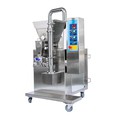
Hey there! As a supplier of the FF4000 ice cream fruit feeder, I often get asked about the best way to store this nifty piece of equipment. So, I thought I'd share some tips and tricks based on my experience in the industry.
First things first, let's talk about why proper storage is so important. The FF4000 ice cream fruit feeder is a precision machine designed to dispense fruits and other toppings onto ice cream with accuracy and consistency. If it's not stored correctly, it can lead to a variety of issues, such as damage to the components, clogging of the feeding system, and even contamination of the product.
Now, let's get into the details of how to store the FF4000 ice cream fruit feeder.
Cleaning Before Storage
Before you store the FF4000, it's crucial to give it a thorough cleaning. This helps prevent the buildup of food residue, which can attract pests and cause corrosion over time. Here's a step-by-step guide on how to clean the feeder:
- Disassemble the parts: Remove all removable parts, such as the hopper, feeding tubes, and nozzles. Refer to the user manual for specific instructions on how to disassemble the feeder properly.
- Rinse with warm water: Use warm water to rinse off any loose debris from the parts. You can use a soft brush or sponge to gently scrub away stubborn stains.
- Soak in a cleaning solution: Prepare a mild cleaning solution by mixing a small amount of dish soap with warm water. Soak the parts in the solution for about 15-20 minutes to loosen any remaining dirt and grime.
- Scrub and rinse again: After soaking, use a soft brush to scrub the parts thoroughly. Rinse them under running water to remove all traces of the cleaning solution.
- Dry completely: Allow the parts to air dry completely before reassembling the feeder. Make sure there is no moisture left on the parts, as this can lead to rust and corrosion.
Choosing the Right Storage Location
Once the FF4000 is clean and dry, it's time to find a suitable storage location. Here are some factors to consider when choosing a storage spot:
- Temperature and humidity: The ideal storage temperature for the FF4000 is between 50°F and 80°F (10°C and 27°C), with a relative humidity of 40-60%. Avoid storing the feeder in areas that are too hot, cold, or humid, as this can damage the components.
- Ventilation: Make sure the storage area is well-ventilated to prevent the buildup of moisture and odors. Avoid storing the feeder in a closed cabinet or closet without proper ventilation.
- Protection from dust and debris: Cover the FF4000 with a dust cover or plastic sheet to protect it from dust and debris. This helps keep the feeder clean and extends its lifespan.
- Avoid direct sunlight: Direct sunlight can cause the plastic parts of the feeder to fade and become brittle over time. Store the feeder in a shaded area or use a UV-resistant cover to protect it from sunlight.
Storing the FF4000
Once you've chosen the right storage location, it's time to store the FF4000. Here are some tips on how to store the feeder properly:
- Reassemble the feeder: If you disassembled the feeder for cleaning, reassemble it carefully according to the user manual. Make sure all the parts are properly installed and tightened.
- Store in an upright position: Store the FF4000 in an upright position to prevent any damage to the feeding system. Avoid storing the feeder on its side or upside down, as this can cause the fruit and toppings to spill and clog the tubes.
- Secure the hopper: If the feeder has a hopper, make sure it is securely closed to prevent any dust or debris from entering. You can use a rubber band or clip to keep the hopper lid in place.
- Label the parts: If you have any spare parts or accessories for the FF4000, label them clearly and store them in a separate container. This makes it easier to find the parts you need when you need them.
Maintenance During Storage
Even when the FF4000 is in storage, it's important to perform some basic maintenance tasks to keep it in good condition. Here are some tips on how to maintain the feeder during storage:
- Check the parts regularly: Every few months, check the parts of the FF4000 for any signs of damage or wear. If you notice any issues, such as cracks, leaks, or loose connections, replace the parts immediately.
- Lubricate the moving parts: If the feeder has any moving parts, such as gears or bearings, lubricate them with a light oil or grease to prevent rust and corrosion. Refer to the user manual for specific instructions on how to lubricate the parts.
- Test the feeder periodically: Every few months, test the FF4000 to make sure it is still working properly. Turn on the feeder and run a small amount of water through the system to check for any leaks or blockages.
Conclusion
Proper storage of the FF4000 ice cream fruit feeder is essential to ensure its longevity and performance. By following the tips and tricks outlined in this blog post, you can keep your feeder in good condition and ready to use whenever you need it.


If you're interested in purchasing the FF4000 Ice Cream Fruit Feeder or any of our other products, such as the FF4000A Ice Cream Fruit Feeder or the FF2000 Ice Cream Fruit Feeder, please don't hesitate to contact us for more information. We're always happy to help you find the right equipment for your business.
References
- Manufacturer's user manual for the FF4000 ice cream fruit feeder.
- Industry best practices for storing food processing equipment.