


Ventilation is a crucial aspect when it comes to operating industrial equipment, and the N300L continuous ice cream freezer is no exception. As a supplier of the N300L continuous ice cream freezer, I understand the importance of providing clear and accurate information about ventilation requirements to ensure the optimal performance and longevity of our product.
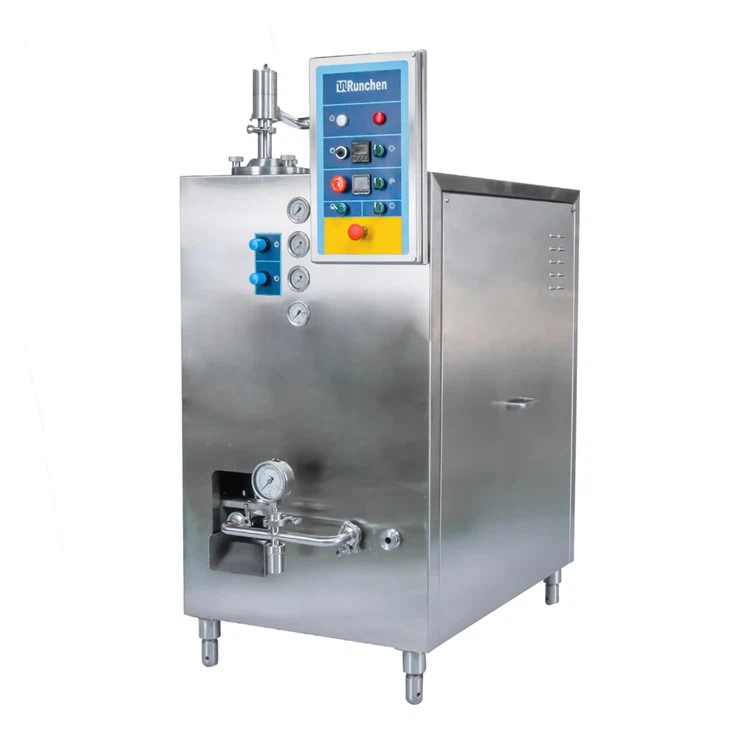
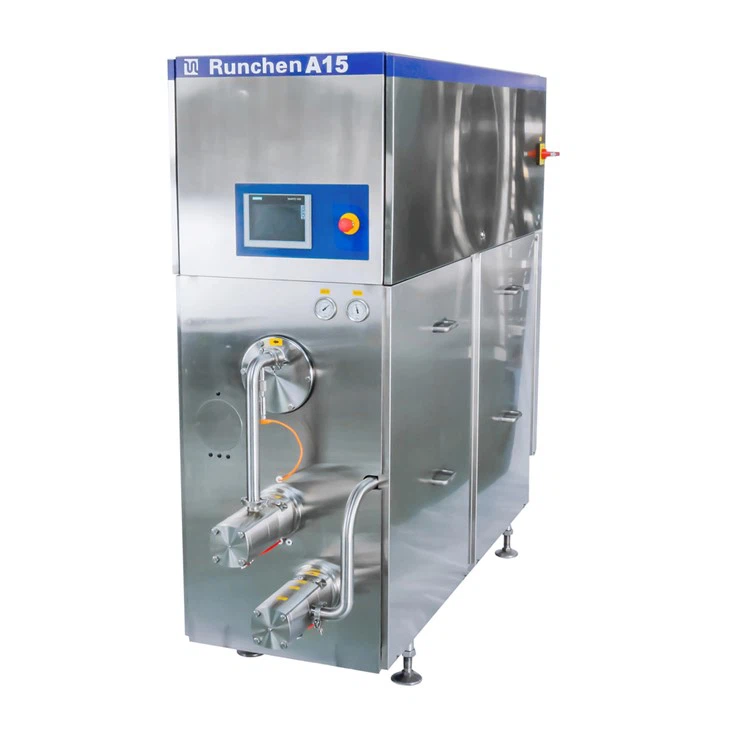
Why Ventilation Matters for the N300L Continuous Ice Cream Freezer
The N300L continuous ice cream freezer is a high - performance machine designed to produce ice cream continuously. During its operation, the compressor and other components generate a significant amount of heat. If this heat is not properly dissipated, it can lead to several issues. Firstly, overheating can cause the compressor to work harder than necessary, which not only increases energy consumption but also shortens the lifespan of the compressor. Secondly, excessive heat can affect the freezing process, resulting in inconsistent ice cream quality.
Proper ventilation helps to maintain a stable operating temperature for the freezer. It allows the hot air generated by the machine to be expelled from the immediate environment, while also drawing in cooler air to replace it. This constant air exchange is essential for the efficient operation of the N300L continuous ice cream freezer.
Ventilation Requirements
Airflow Rate
The N300L continuous ice cream freezer requires a certain airflow rate to ensure effective heat dissipation. The exact airflow rate depends on several factors, such as the ambient temperature, the frequency of use, and the installation location. As a general guideline, we recommend an airflow rate of at least 150 - 200 cubic feet per minute (CFM) for each square foot of the freezer's surface area. This ensures that enough cool air is constantly available to absorb the heat generated by the machine.
Clearance Space
In addition to the airflow rate, proper clearance space around the freezer is also essential. The N300L continuous ice cream freezer should be installed with a minimum of 12 inches of clearance on all sides. This allows for unrestricted air circulation around the machine. A lack of clearance can create a "hot spot" around the freezer, preventing the hot air from escaping and the cool air from entering.
Ventilation Ducting
If the N300L continuous ice cream freezer is installed in an enclosed space, such as a walk - in freezer or a small kitchen, ventilation ducting may be required. The ventilation duct should be sized appropriately to handle the required airflow rate. A duct that is too small will restrict the airflow, while a duct that is too large may not provide enough pressure to expel the hot air effectively.
We recommend using a rigid metal duct for ventilation, as it is more durable and less likely to be damaged compared to flexible ducts. The duct should be installed in a straight line as much as possible to minimize airflow resistance. Any bends or elbows in the duct should have a smooth radius to ensure a continuous flow of air.
Ventilation Fans
In some cases, ventilation fans may be necessary to enhance the airflow. These fans can be installed either on the freezer itself or in the ventilation duct. When selecting a ventilation fan, it is important to choose one with the appropriate CFM rating. The fan should be able to move enough air to meet the ventilation requirements of the N300L continuous ice cream freezer.
Impact of Poor Ventilation
If the ventilation requirements are not met, the N300L continuous ice cream freezer may experience several problems. One of the most common issues is overheating. Overheating can cause the compressor to shut down automatically to prevent damage, which interrupts the ice cream production process. It can also lead to increased wear and tear on the compressor and other components, resulting in more frequent breakdowns and higher maintenance costs.
Poor ventilation can also affect the quality of the ice cream. If the freezer is not operating at the optimal temperature, the ice cream may not freeze properly, resulting in a soft or icy texture. This can lead to customer dissatisfaction and a loss of business.
Installation and Maintenance Tips
When installing the N300L continuous ice cream freezer, it is important to follow the ventilation requirements carefully. The installation location should be well - ventilated and away from sources of heat, such as ovens or direct sunlight. The ventilation system should be installed by a qualified technician to ensure that it meets all the necessary standards.
Regular maintenance of the ventilation system is also crucial. The ventilation ducts should be inspected periodically for blockages, and the fans should be cleaned to remove any dust or debris. This helps to ensure that the ventilation system continues to operate efficiently.
Related Products
If you are looking for other ice cream freezer options, we also offer the A1500L Automatic and Continuous Commercial Ice Cream Machine and the A1500L Italian Gelato Hard Ice Cream Making Machine. These machines are also designed with high - performance and energy - efficient features, and they have their own specific ventilation requirements. Another option is the N600L Continuous Ice Cream Freezer, which is a larger - capacity version of the N300L.
Conclusion
Proper ventilation is essential for the efficient operation and longevity of the N300L continuous ice cream freezer. By ensuring that the ventilation requirements are met, you can avoid overheating, improve ice cream quality, and reduce maintenance costs. If you have any questions about the ventilation requirements or need assistance with installation and maintenance, please feel free to contact us. We are always ready to help you make the most of your ice cream production equipment.
References
- Industrial Refrigeration Handbook.
- Manufacturer's Manual for N300L Continuous Ice Cream Freezer.