


As an ice cream filler supplier, I often get asked about how long ice cream filler lasts in the fridge. This is a crucial question for ice cream manufacturers, retailers, and even home enthusiasts. The shelf - life of ice cream filler can significantly impact product quality, customer satisfaction, and ultimately, business profitability. In this blog post, I'll delve into the factors that affect the longevity of ice cream filler in the fridge and provide some practical guidelines.
Factors Affecting the Shelf - Life of Ice Cream Filler in the Fridge
1. Ingredients
The components of ice cream filler play a fundamental role in determining its shelf - life. Ice cream fillers can vary widely in their ingredients, from simple fruit purees to complex mixtures with dairy, nuts, and artificial additives.


- Dairy - based Fillers: Fillers containing milk, cream, or other dairy products are more prone to spoilage. Dairy is a rich medium for bacteria growth. Bacteria such as Lactobacillus and Streptococcus can thrive in dairy under favorable conditions. Generally, dairy - based ice cream fillers should be consumed within 3 - 5 days when stored in the fridge at a temperature of 0 - 4°C (32 - 39°F).
- Fruit - based Fillers: Fruit purees and fruit - based fillers are also time - sensitive. While the natural acids in fruits can act as mild preservatives, they still contain sugars that can ferment over time. Fresh fruit fillers typically last 5 - 7 days in the fridge. However, if the fruit filler contains added preservatives, the shelf - life can be extended to 10 - 14 days.
- Nut - based Fillers: Nut - based ice cream fillers, like hazelnut or almond pastes, have a relatively longer shelf - life. Nuts contain natural oils that can act as a barrier against microbial growth. When stored properly in the fridge, nut - based fillers can last up to 2 - 3 weeks.
2. Storage Conditions
The way ice cream filler is stored in the fridge has a direct impact on its shelf - life.
- Temperature: Maintaining a consistent and appropriate temperature is crucial. The ideal fridge temperature for storing ice cream filler is between 0 - 4°C (32 - 39°F). Fluctuations in temperature can cause ice crystals to form in the filler, which can affect its texture and quality. Additionally, warmer temperatures can accelerate the growth of bacteria and spoilage.
- Container: The type of container used to store ice cream filler matters. Airtight containers are essential as they prevent air, moisture, and contaminants from entering. Glass or plastic containers with tight - fitting lids are recommended. Avoid using containers that are not sealed properly, as this can lead to oxidation and the growth of mold.
- Cross - contamination: It's important to store ice cream filler away from raw meats, poultry, and other potentially contaminated foods. Cross - contamination can introduce harmful bacteria to the filler, reducing its shelf - life and posing a health risk.
3. Processing and Manufacturing
The way ice cream filler is processed and manufactured can also influence its longevity in the fridge.
- Pasteurization: Fillers that have undergone pasteurization have a longer shelf - life. Pasteurization is a process that involves heating the filler to a specific temperature for a set period to kill harmful bacteria and microorganisms. Pasteurized ice cream fillers can last longer compared to non - pasteurized ones.
- Additives: Some ice cream fillers contain additives such as stabilizers, emulsifiers, and preservatives. These additives are designed to improve the texture, stability, and shelf - life of the filler. For example, stabilizers like carrageenan and xanthan gum can prevent the formation of ice crystals and maintain the consistency of the filler. Preservatives like potassium sorbate can inhibit the growth of mold and yeast, extending the shelf - life of the filler.
Practical Guidelines for Extending the Shelf - Life of Ice Cream Filler
1. Follow Proper Storage Procedures
- Always store ice cream filler in the coldest part of the fridge, usually at the back.
- Make sure the container is tightly sealed to prevent air and moisture from getting in.
- Label the container with the date of storage so you can keep track of its age.
2. Use High - Quality Ingredients
- Source fresh and high - quality ingredients for your ice cream filler. Fresh dairy, fruits, and nuts will have a longer shelf - life compared to lower - quality ones.
- Consider using pasteurized ingredients whenever possible to reduce the risk of spoilage.
3. Employ Proper Hygiene
- Wash your hands thoroughly before handling ice cream filler.
- Use clean utensils and containers when scooping or transferring the filler.
- Keep the fridge clean to prevent the growth of mold and bacteria.
The Role of Ice Cream Filling Machines in Maintaining Product Quality
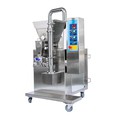
As an ice cream filler supplier, we understand the importance of using high - quality ice cream filling machines to ensure the quality and longevity of ice cream filler. Our Z12 Rotary Ice Cream Filling Machine is designed to handle a variety of ice cream fillers with precision. It can accurately dispense the filler into containers, reducing the risk of contamination and ensuring consistent product quality.
Our Special Ice Cream Cup Filling and Sealing Machine is another excellent option. It not only fills the ice cream cups with filler but also seals them immediately, creating an airtight environment that helps preserve the filler for a longer time.
The G4 Ice Cream Cup Filling and Sealing Machine is also a popular choice among our customers. It offers high - speed filling and sealing capabilities, which is essential for large - scale ice cream production. By using these advanced machines, ice cream manufacturers can ensure that their ice cream fillers are processed and packaged in a way that maximizes their shelf - life.
Conclusion
In conclusion, the shelf - life of ice cream filler in the fridge depends on several factors, including ingredients, storage conditions, and processing methods. By understanding these factors and following the practical guidelines provided, ice cream manufacturers, retailers, and home enthusiasts can extend the shelf - life of their ice cream fillers and maintain product quality.
If you're in the ice cream business and looking for high - quality ice cream fillers and reliable filling machines, we'd love to hear from you. Contact us to discuss your specific requirements and explore how our products can help you improve your ice cream production process and enhance the longevity of your ice cream fillers.
References
- "Food Microbiology: Fundamentals and Frontiers" by Michael P. Doyle and Laura R. Beuchat
- "The Science of Ice Cream" by Richie C. Howells
- "Handbook of Food Preservation" edited by M. S. Rahman