


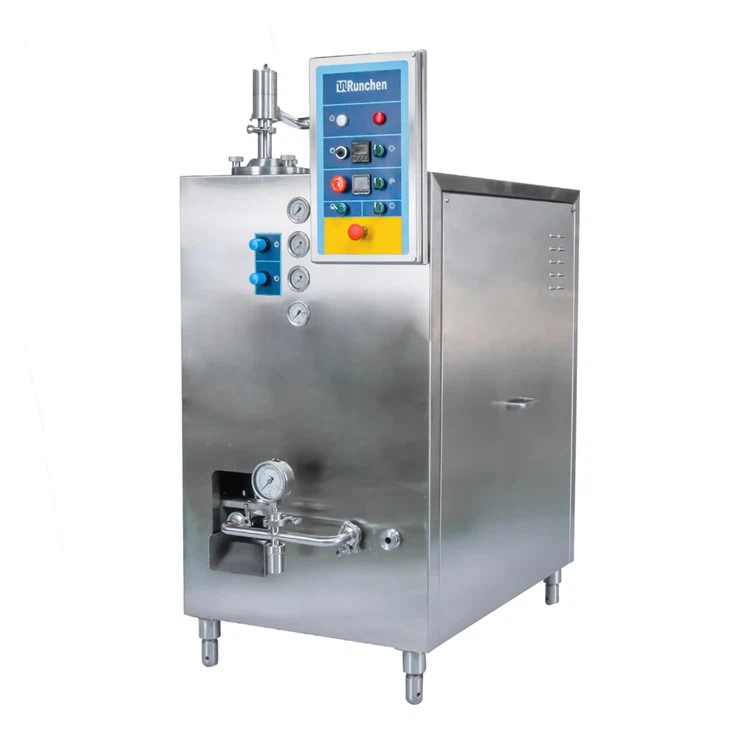
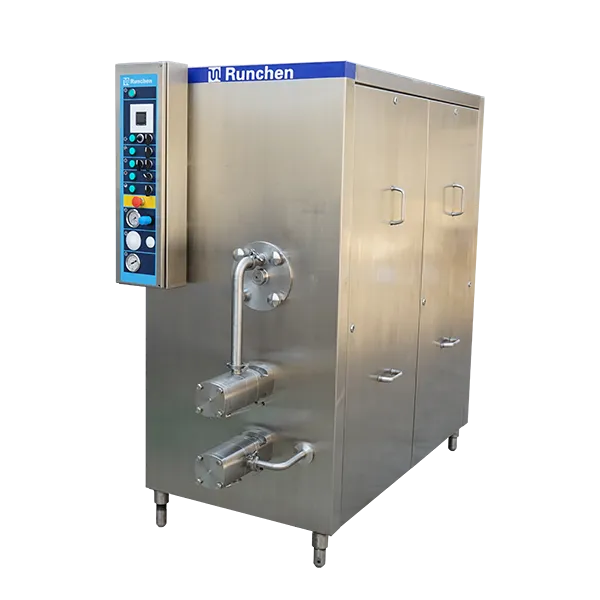
Hey there, fellow ice cream enthusiasts and business owners! As a supplier of the n1000l continuous ice cream freezer, I'm here to share some tips on how to operate this amazing machine correctly. The n1000l continuous ice cream freezer is a game - changer in the ice cream production world, offering high - efficiency and consistent results. Let's dive right in.
1. Pre - operation Preparations
Before you start using the n1000l continuous ice cream freezer, you gotta make sure you've done all the prep work.
Location Selection
Pick a spot for the freezer that's stable and level. A wobbly surface can mess with the machine's performance and even cause it to malfunction over time. Also, ensure there's enough ventilation around it. The freezer generates heat during operation, and proper airflow will prevent overheating. Make sure there are at least 12 inches of space between the freezer and any walls or other objects.
Power Supply
Double - check the power supply. The n1000l freezer is designed to work with a specific voltage and frequency. Connect it to the right power outlet and use a high - quality power cord. You don't want to risk any electrical issues that could damage the machine or, worse, cause a safety hazard.
Cleaning
Cleaning is crucial. Thoroughly clean all the parts that will come into contact with the ice cream mixture. Use warm, soapy water and a soft brush to scrub away any dirt or debris. Rinse the parts well and let them dry completely before assembling. It's like getting your kitchen utensils clean before you start cooking; you don't want any yucky stuff in your ice cream!
2. Assembly
Once everything's prepped, it's time to put the n1000l continuous ice cream freezer together.
Reading the Manual
First things first, grab the user manual. Yeah, I know it's a pain to read all those words, but it's got all the details you need for proper assembly. Follow the step - by - step instructions carefully. Each component is designed to fit in a specific way, and any mistakes here could lead to leaks or inefficiencies later on.
Checking the Parts
Before you start assembling, lay out all the parts and make sure you have everything. Look for any signs of damage, like cracks or dents. If you find a damaged part, don't use it. Contact us right away, and we'll get you a replacement.
Assembling the Components
Begin with the main body of the freezer. Connect the coolant lines, electrical wires, and the mixing chamber according to the manual. Make sure all the connections are tight. Loose connections can lead to problems with the coolant flow or electrical performance. Take your time with this part; rushing through it can cause more headaches down the road.
3. Mix Preparation
The quality of your ice cream starts with the mix.
Ingredients Selection
Use high - quality ingredients. Fresh milk, cream, sugar, and natural flavorings will make a world of difference in the taste and texture of your ice cream. Avoid using any ingredients that are past their expiration date.
Mixing the Ingredients
Follow a tried - and - true ice cream recipe. Combine the ingredients in a large container and stir them well. You can use a whisk or a mixer for this. Make sure the sugar is fully dissolved, and there are no clumps in the mixture. Once it's well - mixed, you can strain it to get rid of any solid particles. This will result in a smoother ice cream.
4. Starting the Freezer
When you're ready to start making ice cream, here's what you need to do.
Initial Start - Up
Turn on the power switch of the n1000l continuous ice cream freezer. Let it run for a few minutes without adding the ice cream mix. This allows the machine to reach the proper operating temperature. You can check the temperature display to make sure it's within the recommended range.
Adding the Mix
Slowly pour the ice cream mix into the inlet of the freezer. Make sure you don't overfill it. The n1000l is designed to handle a certain volume of mix at a time, and overfilling can lead to poor freezing and uneven results. Let the machine do its thing, and watch as the mix gets churned and frozen into delicious ice cream.
5. Monitoring the Process
Once the freezer is running, you need to keep an eye on it.
Temperature Monitoring
Regularly check the temperature of the ice cream inside the freezer. The ideal temperature for making ice cream is usually between - 5°C and - 10°C. If the temperature is too high, the ice cream might not freeze properly. If it's too low, it could become too hard. Adjust the settings if necessary.
Mix Flow
Pay attention to the flow of the ice cream mix. It should be a steady stream. If you notice any blockages or disruptions in the flow, stop the machine immediately. You might need to clear the inlet or check for other issues, like a clogged mixing chamber.
6. Shutting Down the Freezer
When you're done making ice cream, you can't just leave the machine running.
Emptying the Machine
First, stop adding the ice cream mix. Let the machine continue to run for a few minutes to empty out any remaining mix in the chamber. This will prevent the mix from hardening inside the freezer.
Powering Off
Once the chamber is empty, turn off the power switch. Unplug the freezer from the power outlet. This is important to save energy and prevent any potential electrical problems.
7. Maintenance
Proper maintenance is key to keeping the n1000l continuous ice cream freezer in top shape.
Regular Cleaning
After each use, clean the freezer thoroughly. Dismantle all the parts that came into contact with the ice cream and clean them as described in the pre - operation cleaning section. This will prevent the build - up of bacteria and ensure the longevity of the machine.
Lubrication
Some parts of the freezer, like the moving components, may require regular lubrication. Check the user manual to see which parts need lubrication and what type of lubricant to use. Proper lubrication will reduce friction and keep the machine running smoothly.
8. Troubleshooting
Even the best - made machines can run into problems. Here are some common issues and how to fix them.
Poor Freezing
If the ice cream isn't freezing properly, check the coolant levels. Low coolant levels can cause poor freezing performance. You may need to refill the coolant according to the manual. Also, make sure the temperature settings are correct.
Strange Noises
If you hear strange noises coming from the freezer, it could be a sign of a mechanical problem. Stop the machine immediately and check for loose parts or damaged components. If you can't figure out what's wrong, contact our technical support team.
Now, if you're thinking about expanding your ice cream production capacity, we also offer other great options like the N1200L Continuous Ice Cream Freezer, the A1500L Industrial Automatic and Continuous Freezer, and the N600L Continuous Ice Cream Freezer. These machines have their own unique features and capabilities, and they're all designed to help you make high - quality ice cream efficiently.
If you're interested in purchasing an n1000l continuous ice cream freezer or any of our other products, don't hesitate to reach out for more information and to start a procurement discussion. We're here to help you take your ice cream business to the next level.
References
- Ice Cream Production Handbook: A comprehensive guide on ice cream manufacturing processes and equipment operation.
- User Manual of the n1000l Continuous Ice Cream Freezer